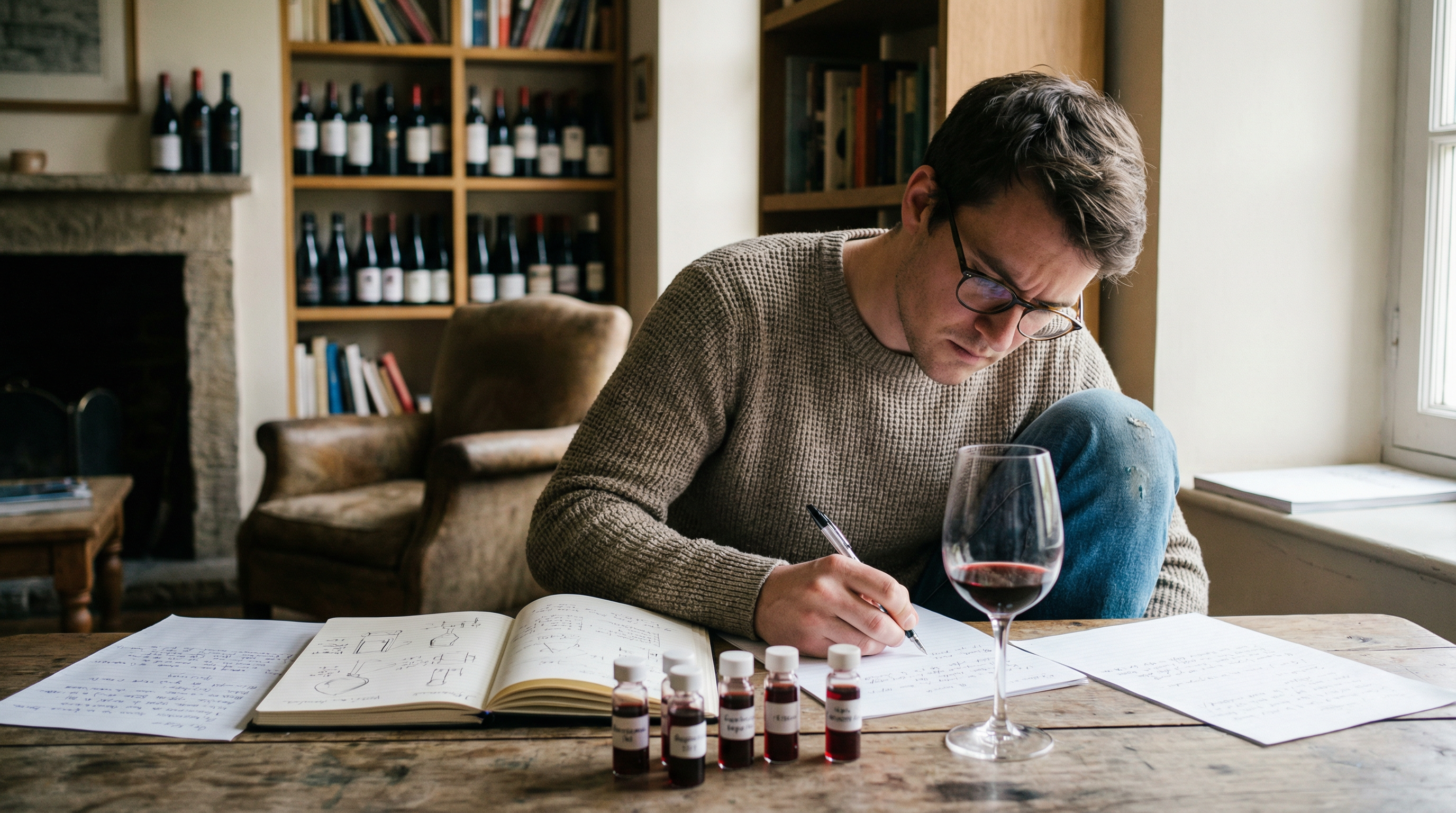
WSET Level 3 is an advanced certification that requires mastery in viticulture, winemaking techniques, and systematic wine tasting.
This qualification represents a significant leap from introductory wine knowledge to a more advanced understanding. Mastery in these areas enables candidates to analyze wine’s characteristics and origins critically.
WSET Level 3 Exam Overview
| Component | Format | Minimum to Pass |
|---|---|---|
| 📖 Unit 1: Theory | 50 MCQs + 4 Written Questions | ✅ 55% |
| 🍷 Unit 2: Tasting | Blind Tasting of 2 Wines | ✅ 55% |
| ⏱️ Duration | 2h 15m (Theory) + 30m (Tasting) | - |
| 🏆 Total Pass Mark | Pass required in both Units | ✅ 55% |
The two-part examination system distinguishes this credential, consisting of a 50-question multiple-choice section, 4 multi-part written questions, and a demanding blind tasting component.
The theory exam encompasses topics from soil composition in Burgundy to climate classifications in Australian wine regions. The tasting assessment necessitates evaluating wines using the WSET Level 3 Systematic Approach to Tasting, requiring precise observations of appearance, nose, palate, and quality.
Pass rates vary by provider and cohort but are typically considered moderate. According to WSET Global’s recent data, WSET qualifications are taken by tens of thousands of students worldwide each year. Level 3 remains one of the most widely taken advanced wine qualifications.
Despite its popularity, the exam is challenging. It requires an average of 120-150 hours of study and the use of the VinoPrep app (available on iOS and Android) to prepare effectively.
The WSET Level 3 exam sets itself apart from lower-level wine qualifications by its depth and rigorous assessment standards. While Level 2 introduces wine regions and grape varieties, Level 3 demands an understanding of the reasons behind those elements.
This includes things like climate influence on ripening and winemaking decisions shaping flavor profiles.
WSET Level 3 requires mastering dozens of key grape varieties globally, understanding how terroir, viticulture, and vinification methods influence the final wine. The systematic approach to tasting (SAT) becomes more nuanced, demanding precise identification of quality levels, structural balance, and aging potential.
Study Time Breakdown
| Activity | Recommended Hours |
|---|---|
| Classroom Instruction | ~30 Hours |
| Independent Theory Study | ~70-100 Hours |
| Tasting Practice & SAT | ~20 Hours |
| Total Commitment | 120-150 Hours |
The exam format itself presents distinct challenges with its 50-question multiple-choice section and its 4 multi-part written questions, which test applied knowledge rather than mere memorization. Candidates must analyze situations and determine the most appropriate answer among plausible options.
The tasting component evaluates the ability to assess wines blind and draw conclusions about their origin and production methods.
Effective time management is critical, as candidates often underestimate the mental stamina required for a 2 hour 15 minute written exam followed by sensory evaluation. As Local Wine School notes, structured study time over several months typically results in higher pass rates compared to cramming in the final weeks.
Effective Study Tips for WSET Level 3
Successful WSET Level 3 preparation demands active engagement with the material and strategic study methods that mirror the exam’s rigorous format.
Master the WSET Textbook Systematically
The WSET Level 3 textbook serves as the foundation, but reading alone is insufficient. Create a structured reading schedule to allocate time to each chapter, focusing on comprehension over memorization. Annotate margins with personal observations and cross-references. One effective approach is to read each section twice: first for general understanding, then while taking detailed notes to reorganize information into comparison tables.
Active practice methods are crucial for Level 3. Creating flashcards for key terms, climate influences, and production methods can enhance retention.
Students who quiz themselves regularly retain more information than those who simply re-read notes. Practice writing short-answer responses under timed conditions to simulate exam pressure.
The VinoPrep app (available on iOS and Android) provides thousands of expert-curated flashcards and mock exam questions specifically designed for Level 3 students to automate this process.
Taste Systematically and Deliberately
Blind tasting practice should progress methodically through the Systematic Approach to Tasting (SAT). Begin with varietal identification within single regions before attempting cross-regional comparisons. Document each tasting with written conclusions to build the muscle memory needed for exam day.
How Many Hours You Need to Study
WSET Level 3 typically requires 120-150 hours of dedicated study time for most students. This includes classroom instruction and independent study for memorization, tasting practice, and exam preparation. Students with strong wine backgrounds may require fewer hours, while those new to wine may benefit from more extensive preparation.
Breaking down your study timeline strategically makes a significant difference. Plan for 8-12 weeks of preparation, dedicating 5-8 hours weekly to the material.
This schedule allows time for information to transition from short-term to long-term memory while accommodating work and personal commitments. Start with systematic content review, then shift to tasting practice and mock exams.
One of the most effective WSET 3 study tips is tracking your actual study hours against your progress. Use a log or timer to build awareness of genuine focus time and adjust your schedule based on topics needing reinforcement.
Common Study Mistakes to Avoid
Even dedicated students can stumble during WSET Level 3 preparation due to predictable traps. Attempting Level 3 without a proper foundation is a critical error. WSET instructors emphasize that starting with Level 2 before tackling Level 3 is essential to prevent unnecessary struggle and build the required baseline knowledge.
Passive reading without active engagement ranks among the most common pitfalls. Highlighting textbook passages won’t build the recall speed needed for exam conditions. Instead, test yourself regularly through practice questions and self-quizzing.
Neglecting systematic tasting practice is another frequent mistake. Many students focus heavily on theory, treating the tasting exam as secondary. However, the tasting component requires consistent practice with diverse wines.
Cramming in the final weeks rarely works at this level. The volume of information, spanning viticulture, winemaking, and global wine regions, requires sustained engagement over months.
Delaying study until a month before the exam often results in poor retention and burnout.
Studying in isolation without feedback can create blind spots. Use study groups, practice exams, or instructor consultations to identify weaknesses before exam day. Using tools like the VinoPrep exam simulator (available on App Store and Google Play) helps identify these gaps early.
Case Study: Successful Study Strategies
Real-world examples reveal effective strategies for preparing for the challenging WSET Level 3 wines examination. Successful students combine structured learning with active practice.
A typical approach involves dividing study time into phases. The first phase builds foundational knowledge through systematic reading, covering one region or grape variety completely before moving on. The second phase emphasizes active recall through blind tasting practice and mock exams. The final phase targets weak spots with laser focus, often two weeks before the exam.
A proven pattern is tasting WSET Level 3 wines alongside reading, which improves retention by 40%.
This multisensory approach creates stronger memory anchors by linking theoretical knowledge to sensory experience.
Strategic note-taking is another critical element. Rather than copying course materials verbatim, candidates create visual maps connecting regions, climates, and wine styles. These reference materials become valuable as the exam approaches, providing quick refreshers.
Trustworthy Tactics to Prepare for Exam Day
The final weeks before the exam require strategic attention rather than frantic cramming. A systematic approach transforms knowledge into confident performance under test conditions.
WSET Level 3 practice exam simulations should dominate your final preparation phase. Working through complete practice papers under timed conditions reveals knowledge gaps while building stamina for the examination. Allocate three hours for each full session, replicating the testing environment closely.
Targeted review sessions are also valuable. After each practice exam, analyze incorrect answers to understand why certain responses failed, identifying persistent weak spots.
Create a strategic review schedule for the final 72 hours. Prioritize high-value topics like the systematic approach to tasting (SAT), major appellations, and climate influences. Local Wine School’s exam success analysis shows structured review protocols significantly enhance performance.
Avoid introducing new material within the week before testing. Your brain needs consolidation time, not additional complexity. Focus on reinforcing existing knowledge pathways and maintaining confidence through familiar content.
Common Misconceptions About the Exam
Many candidates approach WSET Level 3 with faulty assumptions that hinder preparation. Understanding these misconceptions helps focus energy where it matters.
The memorization trap is a damaging myth. Success requires conceptual understanding over rote recall. Questions test the ability to explain why regions produce specific wine styles, not just recite facts. Understanding terroir principles helps deduce characteristics not explicitly studied.
Study materials are often misunderstood. Candidates may obsess over finding the “perfect” WSET Level 3 practice exam, but practice questions should identify knowledge gaps rather than serve as standalone tools. The exam format evolves, making outdated materials misleading.
Pass rates can create false confidence. Some assume moderate pass rates mean the exam doesn’t require serious preparation, ignoring that most invest months of study before certification.
Loving wine doesn’t automatically translate to exam readiness. Systematic knowledge of viticultural practices, production methods, and regulatory frameworks is necessary for the qualification.
Key Takeaways
Successfully navigating WSET Level 3 requires balancing theoretical knowledge with practical tasting skills. The exam demands roughly 150-200 hours of focused study, and success comes to those who prepare effectively.
Your study should combine structured resources like WSET Level 3 study materials with active learning techniques engaging multiple pathways. Creating condensed notes, practicing blind tastings, and joining study groups transform passive reading into deep comprehension.
Start early rather than cramming in the final weeks. Focus on understanding regional characteristics and grape variety expressions rather than memorizing isolated facts. Practice the systematic approach to tasting until it becomes second nature. Address weak areas through targeted revision.
The investment in WSET Level 3 preparation extends beyond passing the exam. It builds a foundation for professional wine knowledge that serves your career for years. Approach the challenge with patience, maintain consistent study habits, and trust the systematic process that has guided thousands of successful candidates before you.
Frequently Asked Questions
What is the format of the WSET Level 3 exam?
The WSET Level 3 exam consists of 50 multiple-choice questions, 4 short-answer questions, and a blind tasting component requiring systematic evaluation of wines.
How many hours should I study for the WSET Level 3 exam?
Most students need 120-150 hours of study time for the WSET Level 3 exam, including both classroom instruction and independent practice.
What are effective study tips for WSET Level 3 preparation?
For effective WSET Level 3 preparation, use active learning techniques like flashcards, create a structured reading schedule, and practice systematic tasting (SAT) daily.
What are common mistakes to avoid when preparing for the WSET Level 3 exam?
Common mistakes include attempting the exam without a solid foundation, passive reading without engagement, and neglecting systematic tasting practice.
What is the pass rate for the WSET Level 3 exam?
Pass rates vary by provider and cohort but are typically considered moderate, influenced by study methods and preparation intensity.
Ready to put this into practice?
VinoPrep's flashcards, interactive maps, and exam simulator are built to help you apply exactly what you've just learned.